Dee Jay Mathis: Early Career, Family Life and James Caan’s Ex-Wife

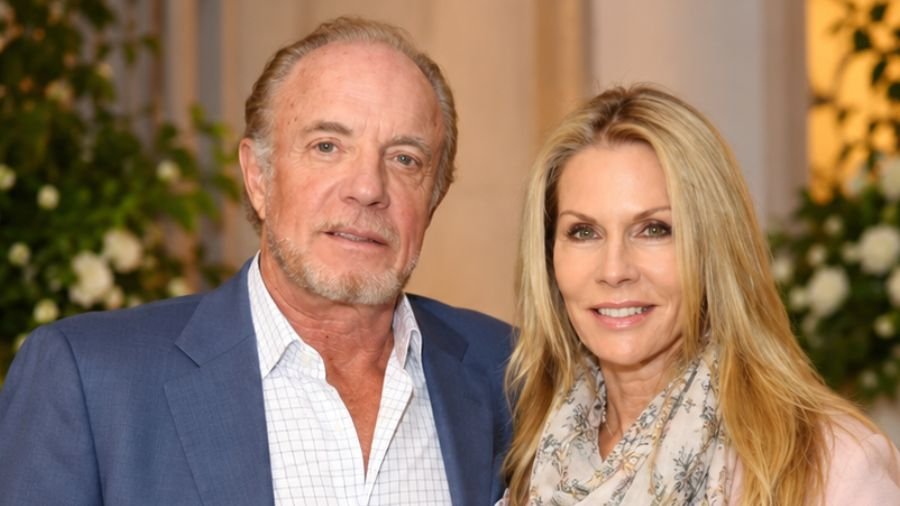
Dee Jay Mathis is a name that continues to attract interest because of her connection to one of Hollywood’s most recognizable actors, James Caan. Although much of the attention surrounding her comes from her marriage to the The Godfather star, Mathis had her own connection to the entertainment world before and during the early years of Caan’s career. Her story is also unusual because, unlike many celebrity spouses, she largely stepped away from public attention and maintained a remarkably private life.
The available record shows that Mathis married Caan in 1961, and the couple later divorced in 1966. They had one daughter, Tara, born in 1964. Caan would eventually become famous worldwide for playing Sonny Corleone, but his relationship with Mathis belongs to a much earlier chapter of his life.
Table of Contents
ToggleWho Is Dee Jay Mathis?
Dee Jay Mathis is primarily remembered today as James Caan’s first wife, but historical entertainment records provide another side to her story. Professional stage databases identify Dorothy Jeanne Mattis as a performer, and that name appears in records from the late 1950s. The spelling difference between “Mathis” and “Mattis” is worth noting because older entertainment sources do not always use the same surname.
Rather than being simply a celebrity spouse, Mathis had already entered professional entertainment before her marriage to Caan. Her documented stage work gives a clearer picture of a young performer working in the theater world at a time when Broadway was an important pathway for dancers and actors.
Dee Jay Mathis and Her Broadway Career
One of the strongest pieces of information about Mathis’s early career comes from Broadway records. The Internet Broadway Database lists Dorothy Jeanne Mattis in the original 1959 production of First Impressions. She was credited as part of the dancing ensemble, placing her among the performers involved in the production’s choreography and stage performances.
Playbill provides an additional detail: Mattis was listed as a member of the original dancing ensemble and also had an understudy assignment for Kitty Bennett. That makes her Broadway connection particularly interesting because it demonstrates that she was professionally active in theater before James Caan became a major movie star.
The production was a musical adaptation associated with Jane Austen’s Pride and Prejudice, and its cast included established performers of the period. For a young dancer, appearing in an original Broadway production was a meaningful professional achievement, even if it did not lead to lasting mainstream fame.
Her Early Connection to the Entertainment Industry
Mathis’s Broadway credit helps put her relationship with James Caan into perspective. They were not simply a famous actor and an unknown spouse who met after Caan had already become successful. Their marriage took place during the early stage of his professional development, while both were connected in some way to the entertainment world.
This was also an era when dancers and ensemble performers could build careers without becoming household names. Many appeared on stage or in film productions without receiving the level of publicity given to leading actors. Mathis’s surviving professional records fit that pattern. Her career appears to have been relatively brief, but it was legitimate and documented in historical theater archives.
When Did Dee Jay Mathis Marry James Caan?
Dee Jay Mathis married James Caan in 1961. At that point, Caan was still developing his acting career and was years away from becoming internationally famous. Their marriage therefore belongs to the period before Caan’s breakthrough in major Hollywood films.
The couple remained married for approximately five years. According to biographical records, they divorced in 1966. Their relationship produced one child, their daughter Tara, who was born in 1964.
Because Mathis has generally avoided publicity, there are few reliable first-person accounts describing their courtship, wedding, or everyday married life. That lack of information is important because numerous online biographies have attempted to fill the gaps with claims that are not always supported by strong sources.
Dee Jay Mathis and James Caan’s Daughter Tara
The most important family connection between Mathis and Caan is their daughter, Tara Caan. She was born in 1964 while her parents were still married, making her James Caan’s first child.
Tara has largely remained outside the entertainment spotlight, unlike her father and her half-brother Scott Caan. James Caan eventually became the father of five children from four marriages, but Tara was his first child and the only daughter identified in his immediate family.
Her relatively private life also reflects the quieter public profile maintained by her mother. Rather than becoming a constant presence in Hollywood coverage, both Mathis and her daughter have generally remained away from the kind of celebrity attention associated with the Caan name.
Why Did Dee Jay Mathis and James Caan Divorce?
The marriage between Mathis and Caan ended in divorce in 1966, but the specific reason for their separation is not clearly established in reliable public sources.
That distinction matters. Celebrity biography websites sometimes provide detailed explanations for famous couples’ divorces, but those stories are not necessarily based on interviews, court records, or authoritative biographies. In Mathis’s case, there is not enough reliable evidence to confidently state a particular cause for the divorce.
The safest and most accurate account is simply that the couple married in 1961, had a daughter in 1964, and divorced in 1966. Their relationship ended before Caan reached the peak of his Hollywood fame.
Did Dee Jay Mathis Have an Acting Career?
Mathis had professional experience in entertainment, although her career should not be exaggerated. Her strongest documented credit is her Broadway work under the name Dorothy Jeanne Mattis. Playbill and the Internet Broadway Database both record her participation in First Impressions.
Some later online sources also associate her with films such as The Patsy and Frankie and Johnny. Those claims are repeated in several modern biographies, but the documentation is less straightforward than her Broadway record. For that reason, it is better to describe these film associations cautiously rather than present an extensive filmography as firmly established.
What can reasonably be said is that Mathis had a connection to professional performance during the same general period in which she was married to Caan. Her entertainment background makes her story more interesting than the simple label of “James Caan’s ex-wife” suggests.
Life After Her Divorce From James Caan
After her divorce from Caan, Mathis largely disappeared from mainstream entertainment coverage. That does not necessarily mean that nothing happened in her life; rather, there is limited reliable public documentation about her later years.
This is one of the defining characteristics of Mathis’s story. James Caan continued working in movies and television for decades, while Mathis did not maintain the same public profile. As a result, modern searches often produce conflicting information about her age, career, relationships, residence, and later activities.
A responsible biography should avoid treating every internet claim as fact. In Mathis’s case, the lack of public information is itself an important part of the story. She appears to have chosen a life considerably removed from the publicity that followed her former husband.
James Caan’s Rise After Their Marriage
James Caan’s career changed dramatically after his marriage to Mathis ended. His major breakthrough came with The Godfather in 1972, when he played Sonny Corleone. The role established him as a major Hollywood actor and remains one of the most recognizable performances of his career.
Caan later appeared in numerous acclaimed and commercially successful projects and became one of the most familiar faces of American cinema. His personal life also continued to attract media attention because he married three more times and had four additional children.
For that reason, Mathis is often mentioned in biographies of Caan even though she lived a much quieter life. She was part of his story before worldwide fame changed the scale of his career.
Why Dee Jay Mathis Still Interests People Today
Interest in Dee Jay Mathis has lasted because celebrity history often encourages people to look beyond the famous person’s career. Readers want to know about the people who were present before an actor became a household name, and Mathis was married to Caan during precisely that formative period.
Her story also appeals to people interested in classic Hollywood because she represents a different kind of celebrity biography. She had professional entertainment experience, married an emerging actor, became the mother of his first child, and then largely stepped away from public life.
That combination makes her difficult to research but also explains why searches for her continue decades after her marriage to Caan ended.
Dee Jay Mathis’s Private Legacy
The most notable aspect of Mathis’s later story may be her privacy. In an age when celebrity families are regularly documented through interviews, social media, photographs, and entertainment news, her life followed a very different path.
Reliable information about her early professional work and marriage can be established through historical records, but details about her later personal life are much harder to verify. That makes it especially important to avoid presenting rumors as facts.
Her documented connection to Broadway, her marriage to James Caan, and her role as Tara Caan’s mother provide enough substance for an interesting biography without inventing details that cannot be confirmed.
Conclusion
Dee Jay Mathis was more than simply James Caan’s ex-wife. She was a performer with a documented Broadway connection who became part of James Caan’s life during the early stage of his acting career. Her 1959 appearance in First Impressions under the name Dorothy Jeanne Mattis provides evidence of her own involvement in professional entertainment before she became primarily known through Caan.
Mathis and Caan married in 1961, welcomed their daughter Tara in 1964, and divorced in 1966. Caan went on to become an international star, while Mathis chose a much quieter path away from sustained media attention.
Today, her story remains interesting precisely because so much of it is private. The documented facts show a young performer, a short marriage to a future Hollywood icon, a daughter, and a life that largely moved beyond the spotlight. For readers researching classic Hollywood, Dee Jay Mathis offers a fascinating glimpse into the person behind one of James Caan’s earliest and most important chapters.